Frediani Vineyard
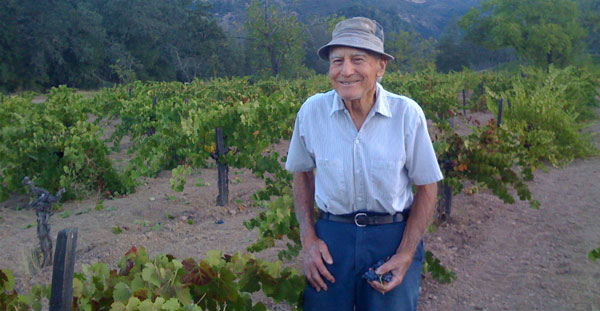
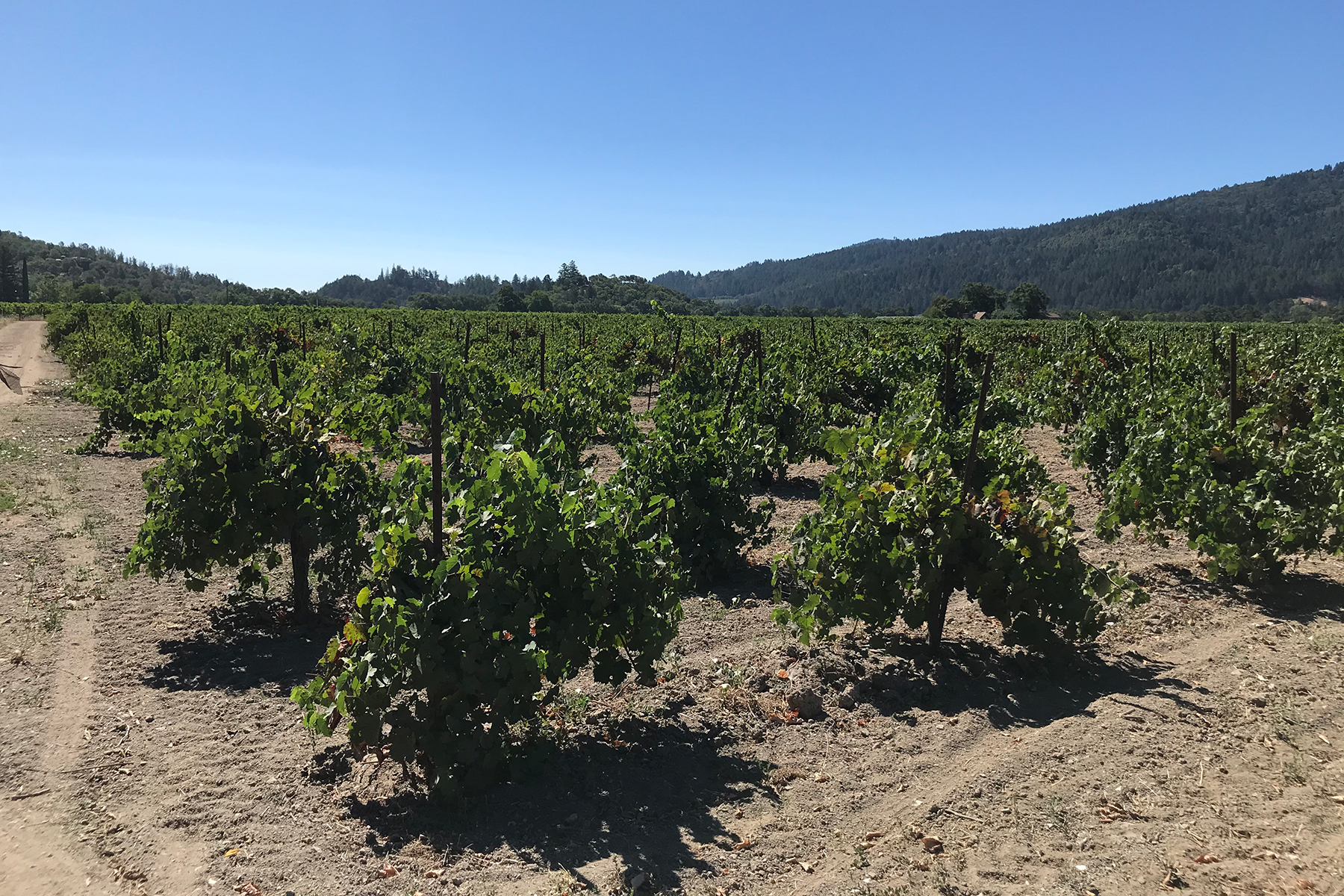
Al Frediani's father bought this land, now prized for quality soils and climate, just after the beginning of the 20th Century, and Al has been living there ever since. The Carignane vines existed when Al’s father purchased the land, and Al estimates that they are 110 years old. Al planted the Petite Sirah blocks himself in the 1940s. The soils here, at the end of Pickett Road in Calistoga, are some of the most beautiful, rocky golden alluvial soils of volcanic origin in all of Napa Valley. The famous vineyard directly adjacent to the southwest has proven the quality of these soils to the public, but insiders and intelligent winemakers have been crowing about the quality of Al’s site for decades. Now, it’s our turn! Starting in 2009, the Petite Sirah and Carignane wines make up a large portion of Ritual, and in 2010, we began making a vineyard designate Petite Sirah.
Kashaya Vineyard
When we were offered the chance to work with Pinot Noir from this top-secret vineyard in the heart of the “true” Sonoma Coast, we jumped at the chance. This is a holy grail kind of site, where everything comes together: perfect soils, clones, exposure, micro-climate, and impeccable farming. This is the source of our Kashaya Pinot Noir. The vineyard is located just 4 miles from the Pacific Ocean above Salt Point State Park in far west Sonoma County. The climate is cool and breezy all year long, but the elevation of the site keeps the fog away, bathing the vines in sunshine in the summer. We work with clones 115 and Old Wente, which together create a complex expression of Pinot Noir at its most profound.
Juliana's Vineyard
Juliana’s is our Napa Valley source for Mourvedre, the core of Ritual. With only approximately 11 acres of Mourvedre planted in the Napa Valley, we are excited to have our acre and a half on an extended contract at Juliana's and to be able to support farmers who continue to champion these varietals that are often underappreciated in the Napa Valley. The organically farmed vines ripen easily in the warm days. The nights, however, are very cold, giving the wine a vibrant nose and keeping the wine fresh. Here we have decomposed volcanic rocks and clay with shale subsoil, providing incredible drainage giving us ripe tannins.
Avion Vineyard
Avion vineyard is perched at 1200 feet elevation west of the town of Sonoma, above the famous Durell Vineyard and is the source of our Sonoma Coast Pinot Noir. The vines are planted in volcanic rock. Here the birds are relentless, creating the need for netting the vines, but the effort is worth the trouble. The wine is complex, dense and elegant, with huge berry aromas and fine tannins.
Anselmo Vigne Vineyard
Anselmo is a great Cabernet site south of the Stag’s Leap District in Napa Valley planted on extremely rocky Akins loam soil. This auburn-colored volcanic soil is ideal for Cabernet Sauvignon. The Clone 7 Cabernet vines were planted 20+ years ago and have reached maturity, providing low yields, vibrant aromatics and a complex texture. This vineyard is the backbone of Artefact in ’07 and ’08.
Krupp Brothers' Vineyard
The heart of 2008 Scarpa Syrah is the Krupp vineyard high above Oakville in Napa Valley. This impressive site is adjacent to the famous Stagecoach Vineyard, and is owned and managed by Stagecoach’s own Jan Krupp. These beautiful Syrah vines feel the gentle sun all day long, providing for soft complex tannins and great aromatics. The soils here are deep reddish-brown rocky clays with Basaltic subsoils.
Richard Perry Vineyard
Perched high above the Coombsville area just east of the town of Napa, this amazing vineyard is built on one of the most beautiful terraces we've ever seen! The Estrella clone Syrah vines have struggled here for 14 years to gain a foothold in the poor, decomposed ash. 2005 was our first year dealing with this vineyard, and early indications suggest a flavor profile of tar, licorice, pepper and blackberry that is expressive and elegant.
Alder Springs Vineyard
On this great site, Stu Bewley has created a veritable research vineyard of huge numbers of different clones, rootstocks, spacings and training systems on fantastic sandstone hills. With high-elevation plantings ranging from 1700 to 2700 feet, the nights stay cool and the intensity of sunlight is astounding, bringing a minerality and aromatic complexity that is rare and delightful. In addition, these steep hillsides are very well-drained, giving the roots plenty of room to search for water.